

 Controls
Move with your left thumb: touch anywhere on the left half of the screen and drag. The stick appears where you touch.
Tap the big weapon button to attack. It strikes the nearest enemy in reach; drag from it to aim by hand. Your weapon decides this attack: choose one of nine in the Spellbook or before a fight.
Tap an ability to fire it at the nearest enemy, or drag from it to aim by hand and release to fire. Drag onto the cancel mark to stop aiming.
Swipe on the free right half of the screen to turn the camera, or tap an enemy there to lock onto it. The target button above the stick switches to the next enemy; hold it to let go of the lock or to lock again.
 Abilities and Their Levels
There are 60 abilities in six categories: Melee, Ranged, Spells, Healing, Defense and Utility. Every hero can learn all of them and takes any three into a fight. The ability window shows a tab per category; the element chips narrow a tab down, and a tap on a card shows everything it does.
Some abilities work differently: a channel works while you hold still, slower on your feet, and ends when you are stunned, roll or use another ability. Resonant Strike can be pressed a second time while its button wears a blue ring. Purify and Barkskin even work while you are stunned.
Abilities have levels from 1 to 20. Higher levels deal more damage and heal more. At level 10 an ability evolves to "+" and gains a first effect, at level 20 to "++" with a second.
Raise levels with gold in the Spellbook. Your levels count in Unranked, the dungeons, the raid and the World Boss. Ranked plays every ability at the level of your rank (1, 10 or 20), so only skill decides there; the Brawl, Survival and the Training Ground play at level 20.
Each ability has its own cooldown, shown on its button. After using one, the others wait a moment (0.4 s). A press meanwhile is kept and fires as soon as it can.
 The Roll
The button right of the stick rolls you a few meters in the direction of the joystick, even just after your thumb left it. For a moment nothing can hurt or hold you: projectiles fly through, markers miss.
The roll has its own cooldown of 6 seconds and needs no pause after an ability. Rolling ends your own cast, without its cooldown.
Not while you are stunned or rooted.
 Cooldowns and Power
Every ability is worth about the same over a whole fight. A short cooldown means small, frequent effects. A long cooldown means a big effect now and then.
Big effects pay for their size: they warn before they land, cast slowly, are narrow or slow to fly. Watch for the marker and step out.
All abilities are ready when a fight starts. Good loadouts mix damage with something to survive or to hold the enemy.
 Elements and Weaknesses
Every attack has an element: Physical, Fire, Frost, Shadow, Light or Nature.
All enemies of a dungeon share one weakness and one resistance, shown on the dungeon card. A hit on the weakness deals 30% more and shows a yellow number with "Weak Spot!". A resisted hit deals 30% less and shows a gray number.
Take abilities of the weak element into a dungeon and leave the resisted one at home.
 Weapons
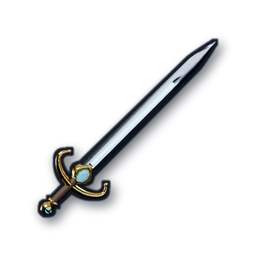
Your basic attack comes from your weapon, free to choose at any time outside a fight, in the Spellbook, on every preparation and in a draft. There are nine, and each fights in its own way.
In melee: the sword cuts a wide cone. Sword and Shield hits softer, but the shield takes part of every hit from the front. The greatsword cleaves wider and farther; wait a moment between swings and the next one lands harder. Daggers stab quickly and hit harder from behind. Every third blow of the mace that lands stuns. The spear thrusts through a whole line at long reach, but is weak up close.
From afar: the bow shoots an arrow that can be dodged. The staff fires a short bolt of Light that pierces every enemy in its line. The wand fires a quick bolt of Shadow that turns after its target. Staff and wand grow with Spell Power.
Ranged weapons shoot while standing: after each shot you move slower for a moment. Against monsters they hit far harder than against heroes, so every weapon clears a dungeon about as fast. Every weapon wins about as often as the others; pick the one that fits your abilities.
Your weapon slot keeps its stats and takes the look of the weapon you fight with.
 Elemental Reactions
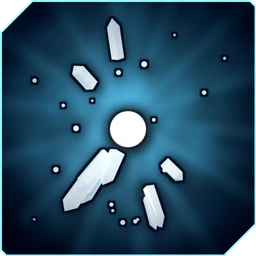
Some statuses wait for a second element. Hit a frozen enemy with fire, a physical hit or light and it shatters: the freeze ends and the hit strikes again as frost.
Frost on a burning enemy is a Steam Burst, fire on a poisoned one is Wildfire: the rest of the burn or poison bursts at once and hurts enemies around it. Light on a hexed enemy is Exorcism: the hex strikes at once, harder. A physical hit on a rooted enemy is Pinned: 35% more. Shadow on a poisoned enemy is Blight: the poison spreads.
Every card in the draft and the Spellbook says what it sets up and what it sets off. Two abilities that react are worth more than two that do not.
The same reaction can happen on the same target once every 2.5 seconds.
 Status Effects
Icons above a fighter show what affects it. Burning and Poisoned deal damage over time, and Poisoned also weakens healing.
Slowed, Rooted, Stunned and Frozen slow a fighter or stop it from moving and acting. A stun on the same target soon after another one is shorter, and no stun lasts longer than 1.5 seconds.
Silenced heroes cannot use abilities, but the weapon still works. Hexed fighters take part of the damage they took again when the hex ends.
Shielded absorbs damage, Empowered hits harder, Hastened moves faster.
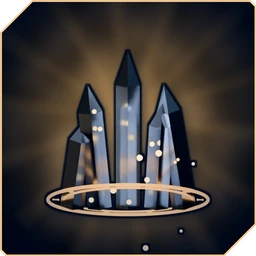
Feared fighters run away and cannot act until the fear ends or enough damage breaks it. A fighter sealed in crystal can do nothing, and nothing can hurt it. Fear and the crystal count like stuns for how short the next one is.
A hero in stealth can only be seen up close; its first hit strikes harder. A Hunter's Mark reveals it. Immune heroes take no damage and no crowd control for a moment. Bleeding, Wounded (less healing) and Weakened (less damage) wear off with time, or with Purify.
 Living Ground
Powder kegs, frost urns, venom pods and barricades stand in the arenas and the dungeons. Anything that hits them breaks them, yours and your enemies' attacks alike.
A keg explodes and sets on fire, an urn freezes, a pod poisons, everyone nearby, you too. They set up reactions. A barricade blocks the way and every shot until it breaks.
In the arena they come back after a while. In the dungeon they stay broken, and their bursts grow with the dungeon's level.
Some dungeon rooms have a Spike Lever. Pull it with the use button and spikes erupt in front of it: they hurt and root every enemy there, never you.
 Numbers in a Fight
Floating numbers show every hit and every heal.
White is damage you deal, rising to the right; yellow a hit on a weakness, gray a resisted hit, big orange with a bright rim a critical strike, small pale orange damage over time, silver damage a shield took, red damage you take, falling to your lower left, and green healing.
The setting Damage Numbers (Settings, Controls) shows all of them, only your own or none.
 Emotes
The button under the pause button opens the emote wheel: four emotes above, four quick messages below. In 3 vs 3 the wheel holds team calls instead, and your bot allies follow them.
An emote shows above your hero for a moment, with a gesture when you stand still. After three in eight seconds the wheel rests for five seconds.
The setting "Emotes" shows everyone's, only your team's or none; the pause menu mutes the others for one fight. Players never write free text, only these fixed lines.